

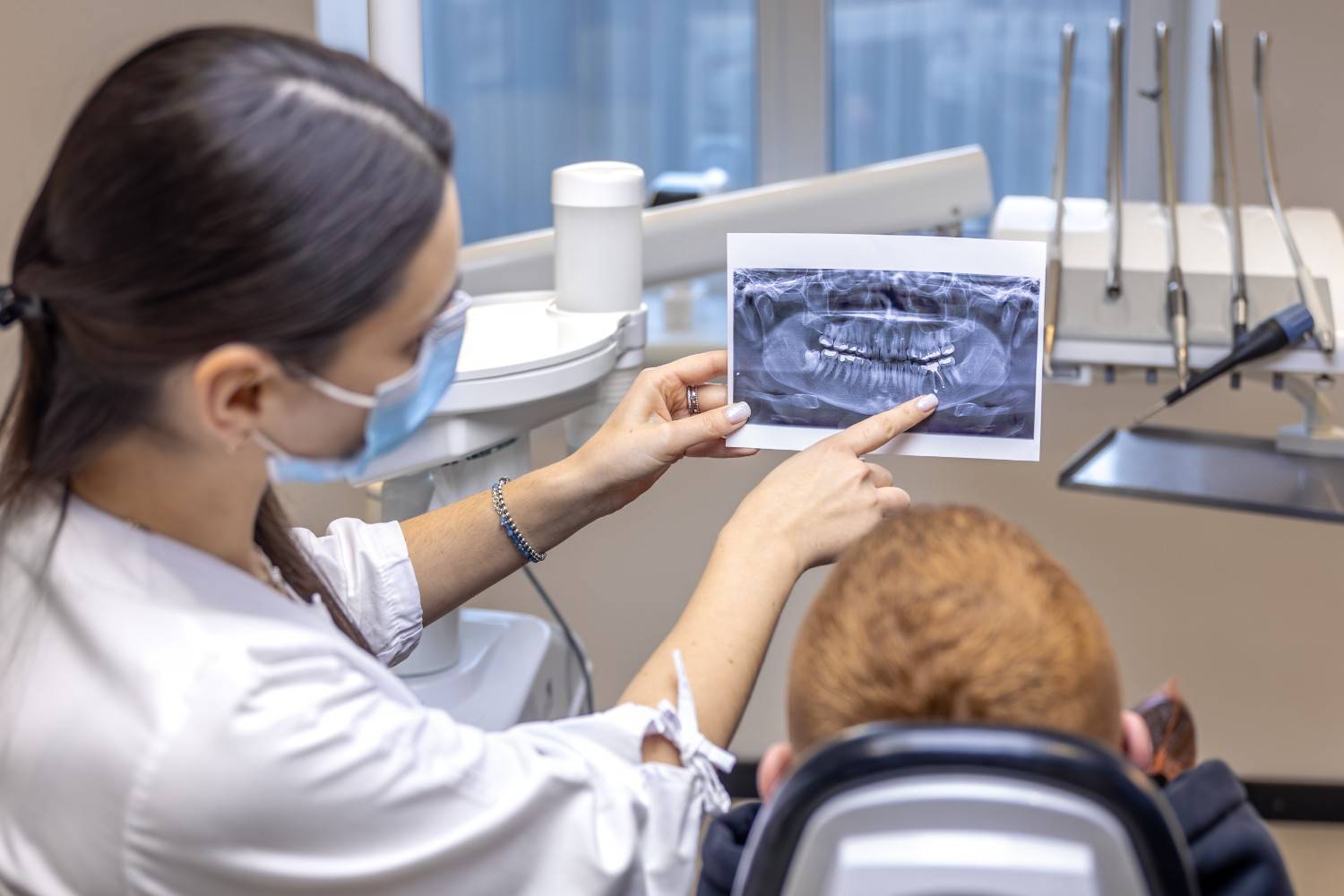
Dental fillings are one of the most common treatments, yet many patients are surprised by how much the choice of material can affect long-term comfort, appearance, and oral health. In Milford, MA, patients today are increasingly asking about white fillings as an alternative to traditional metal fillings. At Milford Family Dental, these conversations often come up when patients want restorations that look natural and feel comfortable for years, not just months.
If you have ever searched for a dentist milford ma residents trust and wondered whether white or metal fillings are better, the answer depends on more than just appearance. Understanding how each option behaves over time helps Milford patients make confident, informed decisions about their dental care.
Dental filling technology has evolved significantly, and modern choices offer benefits that go far beyond simply repairing a cavity.
After decades of use, metal fillings are no longer the default option for many patients. White fillings now play a major role in restorative dentistry because of their performance, aesthetics, and compatibility with natural teeth.
Understanding what dental fillings are designed to do
Dental fillings restore teeth damaged by decay, cracks, or wear. Their primary role is to stop decay from progressing and restore function so patients can chew comfortably and safely.
A filling must seal the tooth, withstand biting forces, and remain stable in a moist environment. Over time, the way a filling interacts with the tooth structure becomes just as important as how it looks.
A helpful way to think about fillings is that they become part of your tooth for many years. The material you choose influences how well that tooth holds up over time.
What are metal fillings?
Metal fillings, often called amalgam fillings, are made from a mixture of metals including silver, tin, copper, and mercury. They have been used in dentistry for decades because of their strength and durability.
These fillings are typically placed in back teeth where chewing pressure is highest. They are known for withstanding heavy forces and lasting many years in certain situations.
However, metal fillings do not bond to the tooth structure. Instead, they rely on mechanical retention, which can affect how the tooth behaves over time.
What are white fillings?
White fillings, also known as composite fillings, are made from tooth-colored resin materials. They are designed to blend with natural tooth color and bond directly to the tooth.
This bonding process allows white fillings to support the remaining tooth structure more effectively. They are commonly used for both front and back teeth.
Patients searching for white fillings milford MA options often appreciate that these restorations look natural and preserve more of the healthy tooth.
Appearance and confidence over time
One of the most obvious differences between white and metal fillings is appearance. Metal fillings are visible when smiling or laughing, especially if they are placed in teeth closer to the front.
White fillings blend seamlessly with natural enamel. Over time, this makes a noticeable difference in confidence for many patients.
You may notice that even small restorations can affect how comfortable you feel smiling in photos or conversations. White fillings support a more natural look that many Milford patients prefer.
How fillings affect tooth structure long term
Metal fillings expand and contract with temperature changes. Hot and cold foods cause metal to expand more than natural tooth structure, which can place stress on the surrounding enamel.
Over time, this repeated expansion and contraction may contribute to cracks or fractures in the tooth. In some cases, teeth with large metal fillings become more vulnerable to damage.
White fillings bond directly to the tooth and move more similarly to natural enamel. This reduces stress and helps preserve the remaining tooth structure.
Longevity and durability considerations
Metal fillings are known for durability, especially in large restorations. In certain cases, they can last many years without replacement.
White fillings have improved significantly and are now highly durable when placed properly. Advances in materials allow them to withstand normal chewing forces effectively.
Another point patients often ask about is replacement. When a filling eventually needs to be replaced, white fillings typically allow for more conservative repair with less removal of natural tooth.
Comfort and sensitivity differences
Some patients experience temperature sensitivity around metal fillings due to thermal conductivity. Metal transfers heat and cold more quickly, which can lead to discomfort.
White fillings are less conductive, which often reduces sensitivity after treatment. Patients frequently report greater comfort when eating hot or cold foods.
For Milford patients with sensitive teeth, this difference can significantly improve daily comfort.
Safety and biocompatibility
Modern dentistry focuses heavily on materials that are compatible with the body. While metal fillings have been used safely for many years, some patients prefer metal-free options.
White fillings are mercury-free and blend naturally with the tooth. This aligns with the growing preference for minimally invasive and biocompatible dental care.
Patients searching for a milford dentist often ask about material safety and long-term compatibility, making white fillings a popular choice.
Preservation of healthy tooth structure
Placing a metal filling often requires removing more healthy tooth structure to create mechanical retention. This can weaken the tooth over time.
White fillings require less removal of natural enamel because they bond directly to the tooth. Preserving healthy structure supports long-term strength and stability.
This conservative approach aligns with modern dental principles focused on preservation rather than replacement.
How white fillings support preventive dentistry
Preventive dentistry aims to protect teeth before larger problems develop. White fillings support this approach by sealing teeth tightly and reducing the risk of recurrent decay.
Their bonding ability helps close microscopic gaps where bacteria could enter. This lowers the chance of decay forming around the filling edges.
Patients focused on long-term oral health often choose white fillings because they support prevention as much as restoration.
Cost and long-term value
Metal fillings may appear less expensive initially, but long-term costs can differ. Tooth fractures, sensitivity, or replacement procedures may increase future expenses.
White fillings often provide better long-term value by preserving tooth structure and reducing complications. Their natural appearance and comfort also add non-financial value.
Milford patients often find that investing in white fillings supports both oral health and confidence over time.
How lifestyle factors influence filling choice
Daily habits such as grinding, diet, and oral hygiene affect how fillings perform. Dentists consider these factors when recommending materials.
For patients who grind their teeth, protective measures such as night guards may be advised regardless of filling type. Proper care extends the life of both white and metal fillings.
Discussing lifestyle factors helps ensure the filling choice fits your individual needs.
Benefits Milford patients notice with white fillings
• Natural, tooth-colored appearance
• Better bonding and tooth support
• Reduced temperature sensitivity
• Preservation of healthy enamel
• Improved long-term comfort
These benefits explain why white fillings are now the preferred choice for many patients.
What to expect during a white filling appointment
White filling procedures are typically completed in a single visit. Dentists remove decay, prepare the tooth, and place the composite material in layers.
Each layer is hardened with special light to ensure strength and precision. The filling is then shaped and polished to match the natural bite and appearance.
Patients often appreciate how quickly the procedure restores comfort and function.
Maintenance and care for long-lasting results
Caring for white fillings is similar to caring for natural teeth. Regular brushing, flossing, and dental checkups help maintain their integrity.
Avoiding excessive force and addressing habits like grinding support longevity. Routine exams allow dentists to monitor fillings and catch issues early.
Consistent care helps white fillings perform well for many years.
A local patient experience
“I replaced my old metal fillings with white ones and didn’t realize how much better they would feel. They look natural and feel more comfortable.”
Experiences like this highlight the practical and emotional benefits of modern fillings.
FAQs About White Fillings vs Metal Fillings
Are white fillings as strong as metal fillings?
Yes. Modern white fillings are durable and suitable for most chewing areas when placed properly.
Do white fillings stain over time?
They resist staining well, especially with good oral hygiene and regular dental visits.
Can metal fillings be replaced with white fillings?
In many cases, yes. Dentists evaluate the tooth to determine suitability.
Are white fillings safe?
Yes. They are mercury-free and widely used in modern dentistry.
Do white fillings cost more?
They may have a slightly higher initial cost, but often offer better long-term value.
Will white fillings feel different?
They often feel more natural and cause less temperature sensitivity.
How long do white fillings last?
With proper care, they can last many years and perform reliably.
Making informed choices for long-term oral health
Choosing between white and metal fillings is about more than fixing a cavity. It is about how your teeth will feel, function, and look for years to come. For Milford patients, white fillings offer clear long-term advantages in comfort, preservation, and aesthetics. By understanding how each option performs over time, patients can make choices that support lasting oral health and confidence. Milford Family Dental helps patients explore filling options with clear guidance and a focus on treatments that protect natural teeth and support long-term well-being.